Insanely Great Products Build the Default Choice: What an Apple Find My Screen Reveals About Real Loyalty
The other day, I had to pull up Find My on my iPhone. I've been an Apple fan since the mid 90s, so I shouldn't have been surprised. Still, seeing the list of Apple devices my family has owned over the years made me pause. And this is only a partial list.
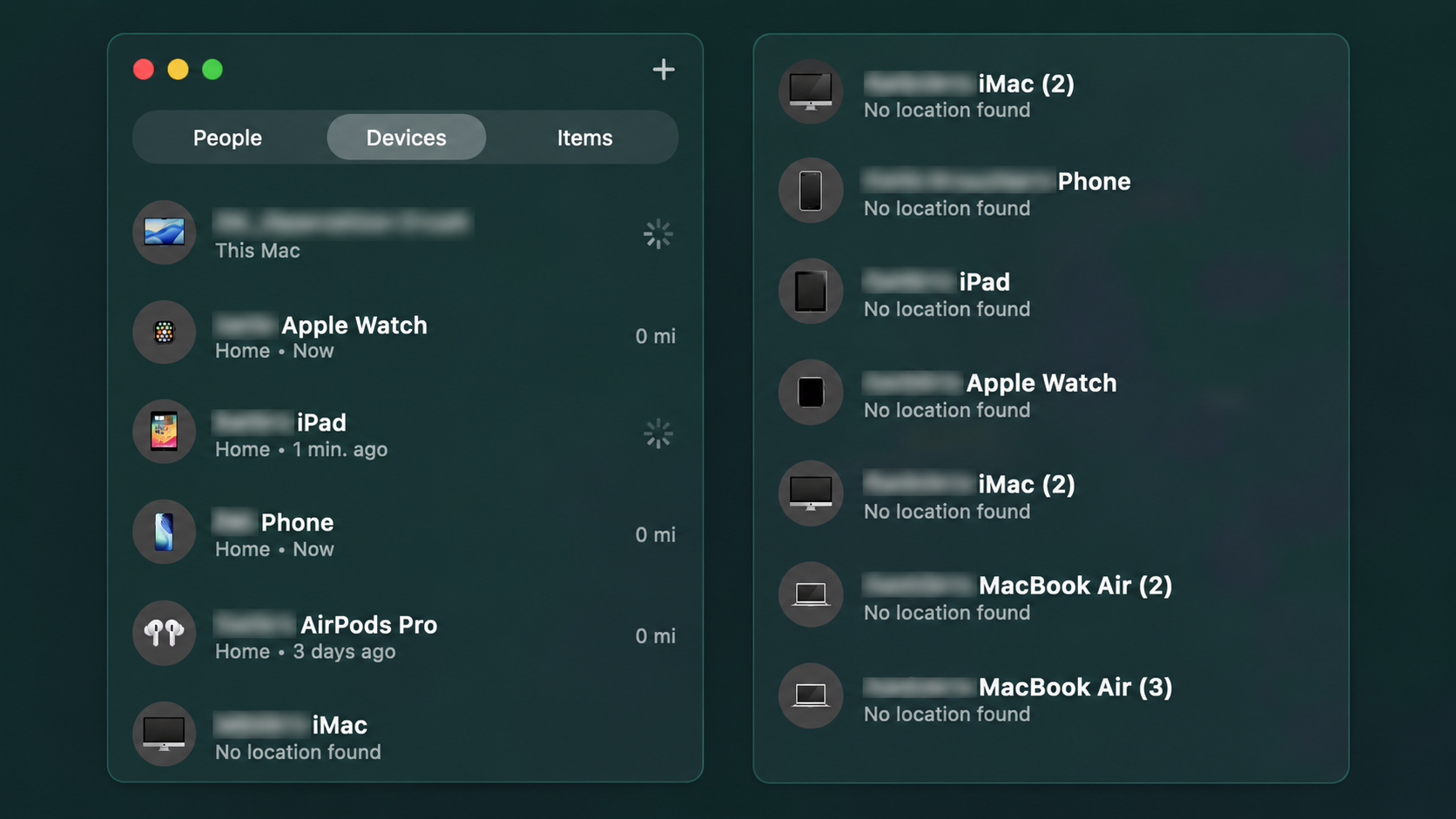
At first, it just looks like a bunch of phones, iPads, watches, laptops, AirPods, and iMacs. But from a business point of view, it means something more important. It shows what happens when a company becomes the default choice inside a household.
This is real customer loyalty. It's not about points, discounts, or clever emails. It's when customers stop looking at other brands every time they need something new.
They do not ask, "What laptop should I buy?"
They ask, "Which Mac should I get?"
They do not ask, "What phone should I switch to?"
They ask, "Should I upgrade my iPhone now or wait for the next one?"
That's a whole different level of brand power.
Most store owners and CEOs focus on getting the first sale, which makes sense. Without the first sale, nothing else happens. But the real money usually comes after that first transaction.
A good first sale gets revenue.
An insanely great product creates trust.
And when that trust is reinforced again and again, the brand starts to mean something.
That is where companies are really built.
The brand is not the foundation. The product is.
Apple did not become Apple because of branding alone. The brand became powerful because the products kept delivering. The Mac, the iPod, the iPhone, the iPad, the Watch, the AirPods. Different products, same underlying promise: simple, useful, thoughtful, and reliable enough to buy again.
That is the part many brands miss. They think the brand is the logo, the colors, the website, the ads, or the story. Those things matter, but they are not the foundation.
The foundation is the product.
If the product disappoints, the brand eventually becomes noise. If the product delivers, the brand becomes shorthand for trust.
That is the power of insanely great products. They do more than create sales. They create belief. And when belief repeats over time, the company becomes the default choice.
Loyalty compounds after the purchase, not before
Customer loyalty does not come from one great ad, a good product page, or a single campaign. Those things can create attention and conversion, but they do not build deep loyalty by themselves.
Loyalty compounds when the customer keeps having reasons to trust the brand after the purchase.
The phone works. The laptop lasts. The watch fits into daily life. The AirPods connect quickly. The iPad does what people need it to do. The packaging feels thoughtful. The setup is simple. The next device connects to the last one.
The customer does not feel like they are starting from scratch every time.
That is how a brand becomes easier to buy from again.
The most expensive customer is the one who bought once and never came back
For brands, this matters more than most people admit. Many ecommerce stores focus on conversion rates, traffic, landing pages, ads, and offers. Those are important. But if the product disappoints, or the experience after the order creates doubt, you are quietly losing future revenue.
The customer may still buy once, but they may not come back. They may not refer anyone. They may not leave a good review. They may not trust the next product launch. They may not open the next email with interest.
That is expensive.
Because the most dangerous loss in ecommerce is not always the abandoned cart. Sometimes it is the customer who bought once, felt unsure, and never returned.
That loss usually does not show up clearly in your dashboard. It hides in low repeat purchases, weak reviews, more support requests, refunds, price sensitivity, and constantly needing paid ads to replace customers who never came back.
Customer experience is a CEO issue
That is why customer experience is not just a design issue. It is not just a fulfillment issue. It is not just a support issue.
It is a CEO issue.
Every part of the buying experience either builds trust or creates doubt. The product, website, product page, checkout, confirmation email, shipping updates, packaging, support replies, returns, and follow-ups all show customers what kind of company you are.
The customer does not separate those things into departments.
They experience it all as the brand.
Branding as accumulated proof
That is the lesson here. Apple became our default because the products kept reinforcing the brand promise. Each device made the next one easier to trust. Each good experience lowered the risk of buying again.
That is not branding as decoration.
That is branding as accumulated proof.
That is the real game.
Not just getting someone to buy.
Getting someone to feel like buying from you again is the obvious choice.
For CEOs, this is where the real leverage is. If you have to win every customer from scratch, growth gets expensive fast. But when trust builds up, your business gets stronger with every good experience.